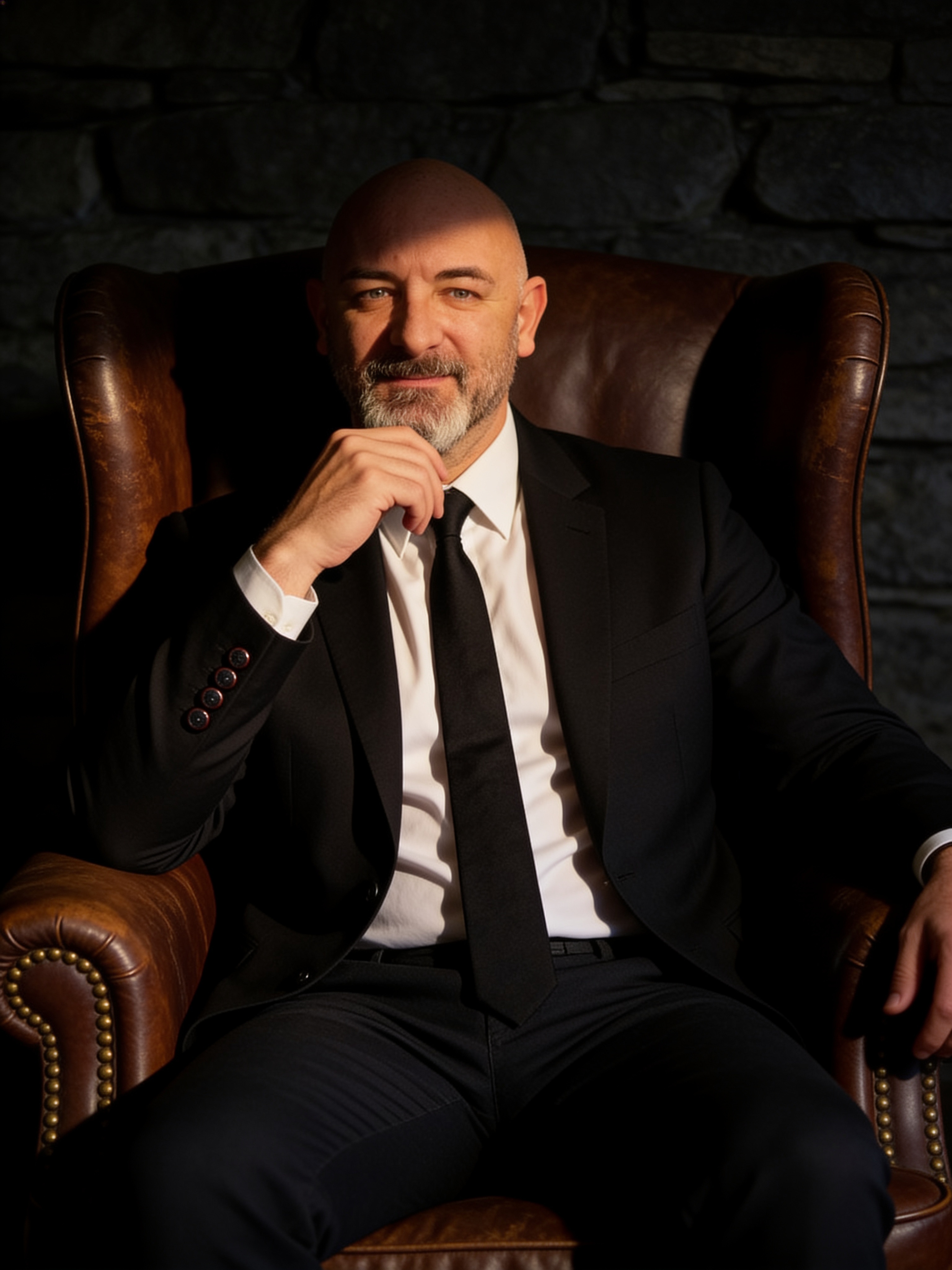
It was February 2019, and I was sitting in my car in the parking lot of Crystal Ballroom Charlotte, trying to finish a proposal before the 4 PM deadline. I'd written it three times already. Every version felt wrong.
Not because I didn't know the business. I knew it better than anyone. I could tell you the exact food cost percentage on the premium package, the average lead conversion by inquiry source, the staffing ratio that kept us profitable on low weeknights. I knew the numbers.
What I didn't know was how to run the business without being in it every single day.
That distinction — knowing the business versus running the business — cost me roughly $380,000 over three years. I'm not proud of the number. I'm writing this because I want you to understand exactly how it happened, so you don't have to pay the same tuition.
"The first three years, I priced by gut feel. I thought I was being responsive to the market. I was leaving an estimated $380K on the table. Not a typo." — From my pricing model, Q1 2019
The moment the math got honest
I'd been running venues for twelve years at that point. Four venues total — each one teaching me something the previous one hadn't prepared me for. The Yorkmont taught me about staff churn. The first Crystal Ballroom taught me about vendor risk. But Crystal Ballroom Charlotte — the fourth — was the one that forced me to build something I hadn't needed before: a real model.
Not a spreadsheet with numbers I updated when I remembered. A model. Actual cost-per-event, actual package margin, actual yield by season. I built it because I had to — because the numbers were getting too big to track in my head, and the gaps between what I thought was happening and what was actually happening were getting expensive.
The first run of the model told me something I'd been avoiding: we were leaving roughly $380,000 per year on the table. Not total — per year. Because I'd been pricing by intuition instead of data. Because I'd been afraid of losing the wedding I didn't want to lose, so I had discounted everything that felt uncertain, and I hadn't tracked any of it closely enough to know what the discount was actually costing me.
Once I had the model, I couldn't un-know it. That was the real turning point — not the number, but the fact that I could have had the number years earlier if I'd built the system first instead of building the business and trying to retrofit the system in afterward.
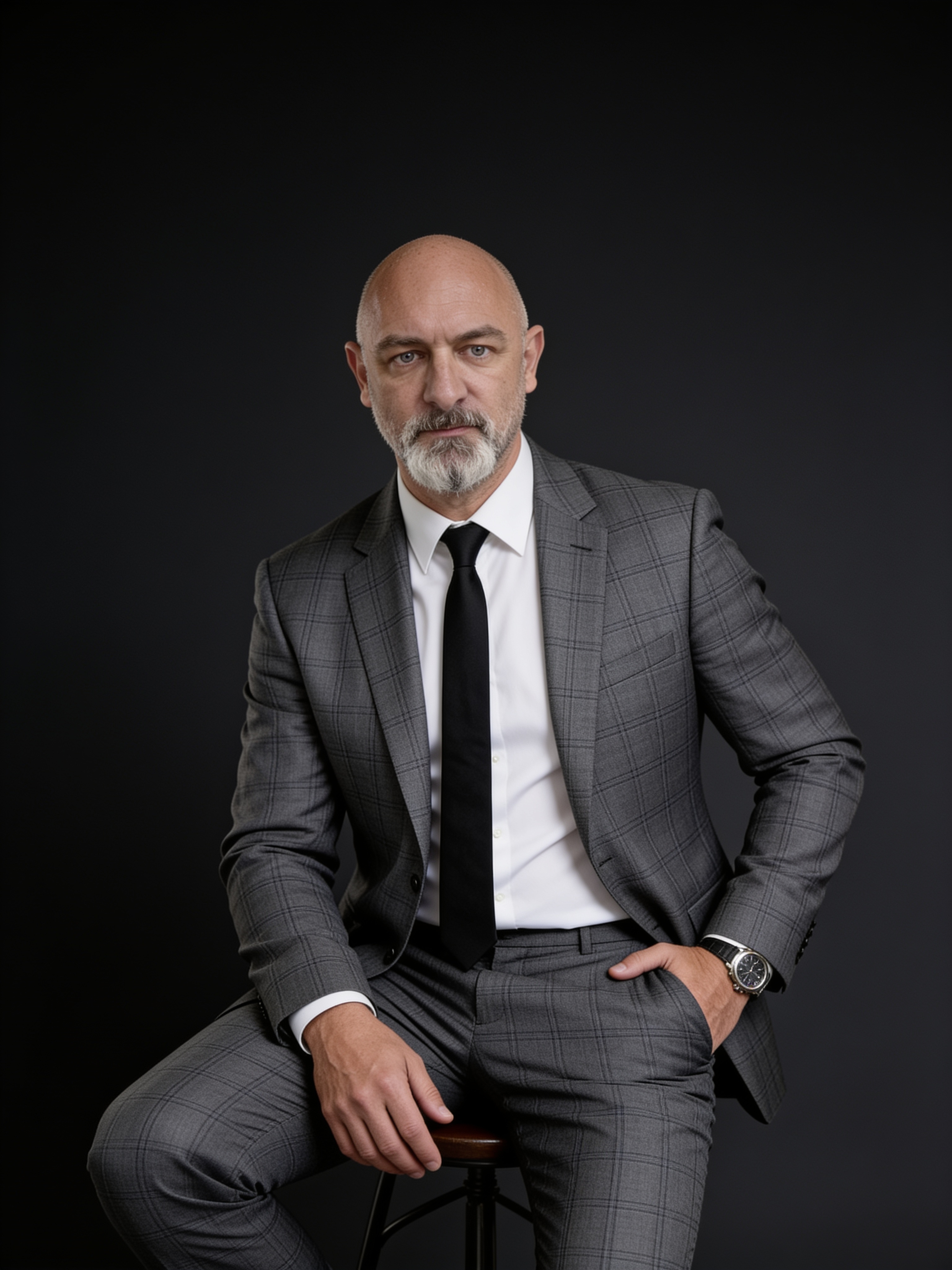
What the model changed
When I fixed the pricing — not just adjusted it, but actually rebuilt the framework from cost data instead of competitive scanning — we hit our highest-margin Q3 on record. That quarter. Not twelve months later. That fast.
And the reason it moved that fast was that I'd finally built the system that let me see the problem clearly instead of estimating it. The model wasn't the insight. The model was the thing that let me stop estimating and start knowing. That difference — between estimating and knowing — is where most of the money lives.
The model was the thing that let me stop estimating and start knowing.
But here's what I want you to hear, because I spent a long time before I understood this: the $380,000 wasn't a loss. It was the tuition for a system that made me a better operator in every venue that came after. It bought me the discipline to never price by gut feel again. To never run a quarter without a model. To never build a package without knowing what it actually cost.
So I don't think of it as $380,000 lost. I think of it as $380,000 invested in knowing what the work actually costs. The difference in how I run venues now — and in what I put in front of you — is the return on that investment. Not something to hide. Something to hand you.
You can't price what you haven't measured.
Every venue has a cost structure. Most operators run on gut feel because they don't have the data — or they don't know they need it. The pricing model we built isn't complicated. It's just honest. It requires knowing your actual cost per event, your actual package margins, and your actual yield by season. Once you have those numbers, the pricing takes care of itself. Without them, you're guessing.
The discipline that followed
After the pricing model, I built the follow-up system. Then the ops framework. Then the marketing engine. Each one came from a failure I hadn't prepared for — not a theory I read somewhere. That's why the systems we ship now look the way they do. They're not best practices copied from a textbook. They're the reconstruction after something broke.
The discipline that came from that February afternoon in the parking lot has shaped everything CrystalClear has become. Not because I got it right the first time, but because I got it honest the first time, and I kept building from there.
I'd spent twelve years running venues thinking I was the asset. The venue was the asset, the location, the brand. But the thing that actually made CrystalBallroom Charlotte work — and the thing that made the four venues that came after it work — was the system underneath them.
"The system is the asset — not the building. Most venue operators build a business and then try to build a sellable asset. I did it the other way around." — CrystalClear founding principle
If you're sitting where I was — running venues that are bigger than what your current systems can hold, wondering why you can't step back without everything slipping — I want you to know two things.
One: you're not bad at your job. You just have a system problem, not a personality problem. Two: the fix is documentable. It doesn't require you to be in the room for everything to work. It just requires you to build the system first instead of trying to retrofit it later.
The $380,000 I spent figuring that out — I'd rather you didn't have to spend it twice.
The 17-Point Venue Diagnostic
If you're running a venue and some of this is hitting close to home — I built a free diagnostic that benchmarks where you are across ops, sales, and marketing. Takes about 12 minutes. No pitch attached. Take the diagnostic →